

Thanksgiving Pet Safety Tips
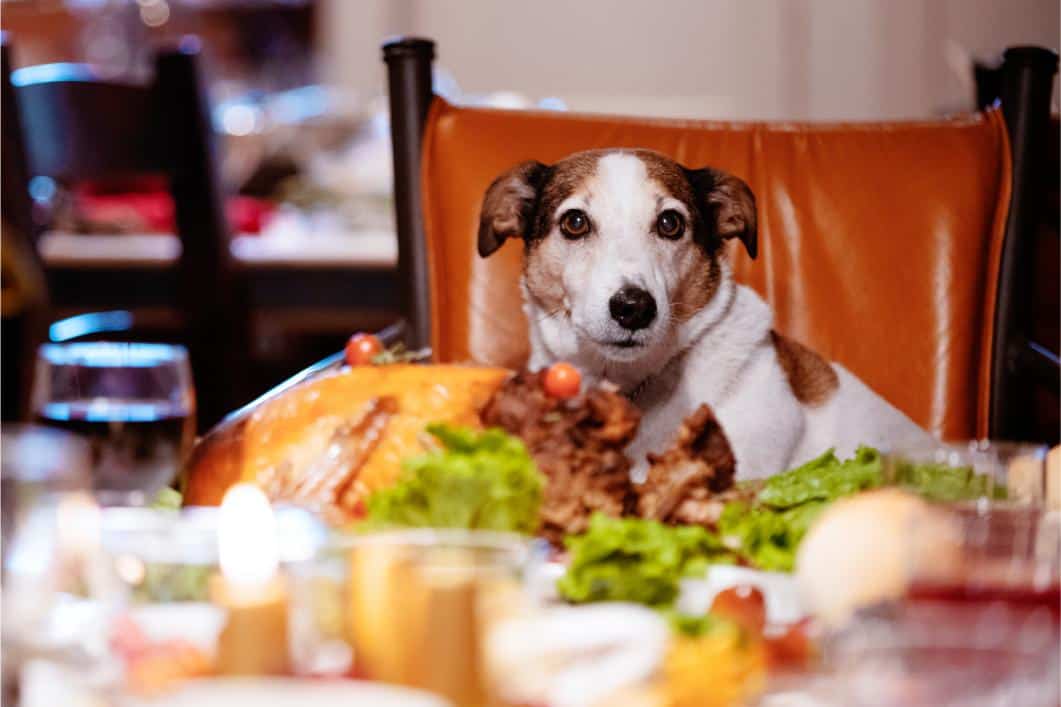
Turkey time is almost here! As you prepare for a feast filled with family, friends, and flavor, don’t forget about your four-legged family members. While Thanksgiving is a holiday of gratitude and goodies, it can also bring hazards for pets. We’ve listed a few Thanksgiving pet safety tips to ensure your pets stay healthy and happy while you gobble up the good times.
Pass on Problematic Foods
It’s completely tempting to share a plate with those pleading puppy eyes or curious kitty stares, but many traditional dishes are dangerous for pets. Even small amounts can cause serious health issues. Your best defense is a strict policy: Keep treats on the table and away from your four-legged friends.
Common toxic foods include:
- Onions, garlic & leeks
- Grapes and raisins
- Raw bread dough
- Nuts: Macadamia nuts are particularly toxic
Fatty Foods Are a Faux ‘Paw’
Butter-laden casseroles, gravy, and rich trimmings may make humans swoon, but these fatty foods can wreak havoc on a pet’s digestive system. High-fat indulgences may lead to vomiting, diarrhea, or even pancreatitis in pets. Instead of letting your pets sample the spread, offer them a safe pet-friendly snack like plain pumpkin or a few green beans.
Turkey Skin and Bones
The holiday bird may be the star of the show, but it comes with risks. Turkey bones can splinter and cause choking, blockages, or internal injuries. Even small pieces can be hazardous. If you’d like to include your pet in the turkey tradition, set aside a little plain, boneless, skinless meat before it’s seasoned or sauced.
Festive Dangerous Décor
Thanksgiving tables and homes often shine with candles, centerpieces, and festive frills. Curious paws and wagging tails can send fragile decorations tumbling—or worse, burning. Keep candles out of reach, secure tablecloths, and place breakable décor where pets can’t investigate.
Chocolate
It’s not Thanksgiving without a pie or two, but remember that chocolate is toxic to pets. From brownies to chocolate cream pie, desserts containing chocolate should be kept well out of paw’s reach. The darker the chocolate, the more dangerous it is for dogs and cats.
Xylitol
Xylitol is an ingredient we must avoid giving to dogs, but it can be hard to spot! It often appears on food labels under different names:
- Birch Sugar
- Wood Sugar
- Birch Bark Extract (or Birch Sap)
- Sugar Alcohol: Sometimes, xylitol is included under the broader category of “sugar alcohols” on the ingredient list, which can include other sweeteners like sorbitol or maltitol.
Your Pet Will Give Thanks for a Quiet Retreat
The holidays often bring gaggles of guests, which can overwhelm some pets. Provide a quiet retreat with fresh water, familiar bedding, and toys so your pet can escape the hubbub. If your pet chooses to socialize for brief periods, remind visitors not to slip them any snacks, even if they think it’s just a “tiny taste.”
A Feast of Gratitude
Thanksgiving should be filled with joy, not emergency vet visits. By keeping toxic foods, fatty foods, turkey bones, unsafe decorations, and dangerous desserts like chocolate out of reach, you can protect your pets while still enjoying the holiday spread.
From all of us at Crossroads Animal Hospital, we wish you and your four-legged family members a safe and happy Thanksgiving—one where the only thing you’ll need to worry about is whether to go back for seconds!