

Cysts vs. Tumors on Dogs
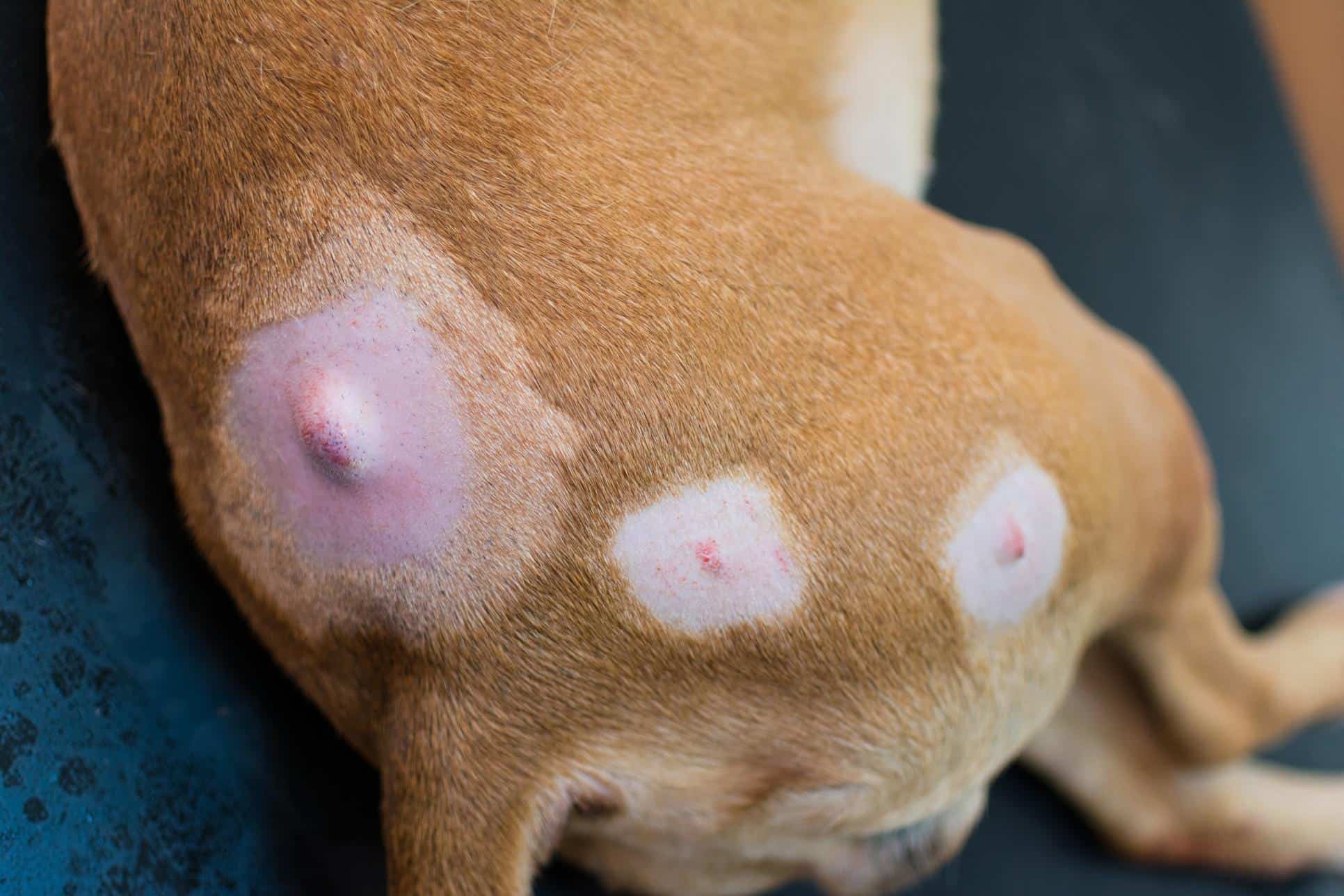
It’s never fun to discover a new lump or bump on your dog’s body. Whether it’s a small bump just under your dog’s skin or a larger, more noticeable growth, worry can spike instantly. The good news is that many of these growths end up being harmless.
But others might need veterinary attention, so it’s always ideal to schedule an appointment with your veterinarian as soon as you notice any potential cysts, tumors, or skin tags on your dog.
Here’s what the team at Crossroads Animal Hospital wants you to know.
What Is the Difference Between Cysts, Tags, and Tumors?
Not sure how to differentiate between a cyst, tumor, or skin tag? Here’s a quick overview:
Cysts
A cyst is a small sac filled with pus or fluid. They are usually benign (noncancerous), and just develop when one of your pet’s hair follicles or skin glands gets blocked.
Common cyst types include:
- Sebaceous cysts, which are full of a waxy material called sebum
- Follicular cysts, which result when a hair follicle gets clogged or inflamed
- Epidermal inclusion cysts, which happen when skin cells get trapped below the surface of your dog’s skin
If you feel a soft, round lump under your dog’s skin, it’s most likely a cyst. If it ruptures, you might notice a thick, whitish substance oozing out. Make sure your veterinarian takes a look, whether the cyst is ruptured or not.
While most cysts are harmless, your vet may want to take a biopsy or surgically remove the growth to rule out other potential conditions.
Tumors
A tumor is any abnormal tissue growth in your pet’s body. Some tumors are benign, but others may be cancerous. Only a visit to the vet—and a biopsy—can help you understand which category your dog’s tumor falls into.
Malignant tumors can invade the tissue surrounding them or spread to other parts of the body. But with early diagnosis and treament—usually removal—your pet may enjoy a better prognosis.
Skin Tags
Skin tags are small, stalk-like growths that often develop anywhere your pet’s skin rubs together. This is why it’s common to find them around your pet’s chest, armpits, and neck. Skin tags are more common in breeds with loose skin or older dogs.
And while they’re generally harmless, they can get irritated if your pet’s collar snags them. Your veterinarian can easily remove any skin tags that have become a nuisance for your pet.
When to Visit the Vet
It’s always a good idea to bring your pup to the vet anytime you notice any unusual skin conditions, whether it’s a tumor, skin tag, or cyst. These conditions can spark worry, and a vet visit can help alleviate fears or get a jump start on treatment.
If you need care for your dog’s skin issues, our experienced team at Crossroads Animal Hospital can help. Call us at (540) 832-1751 to schedule your appointment today.