

Joint Pain in Pets After Winter
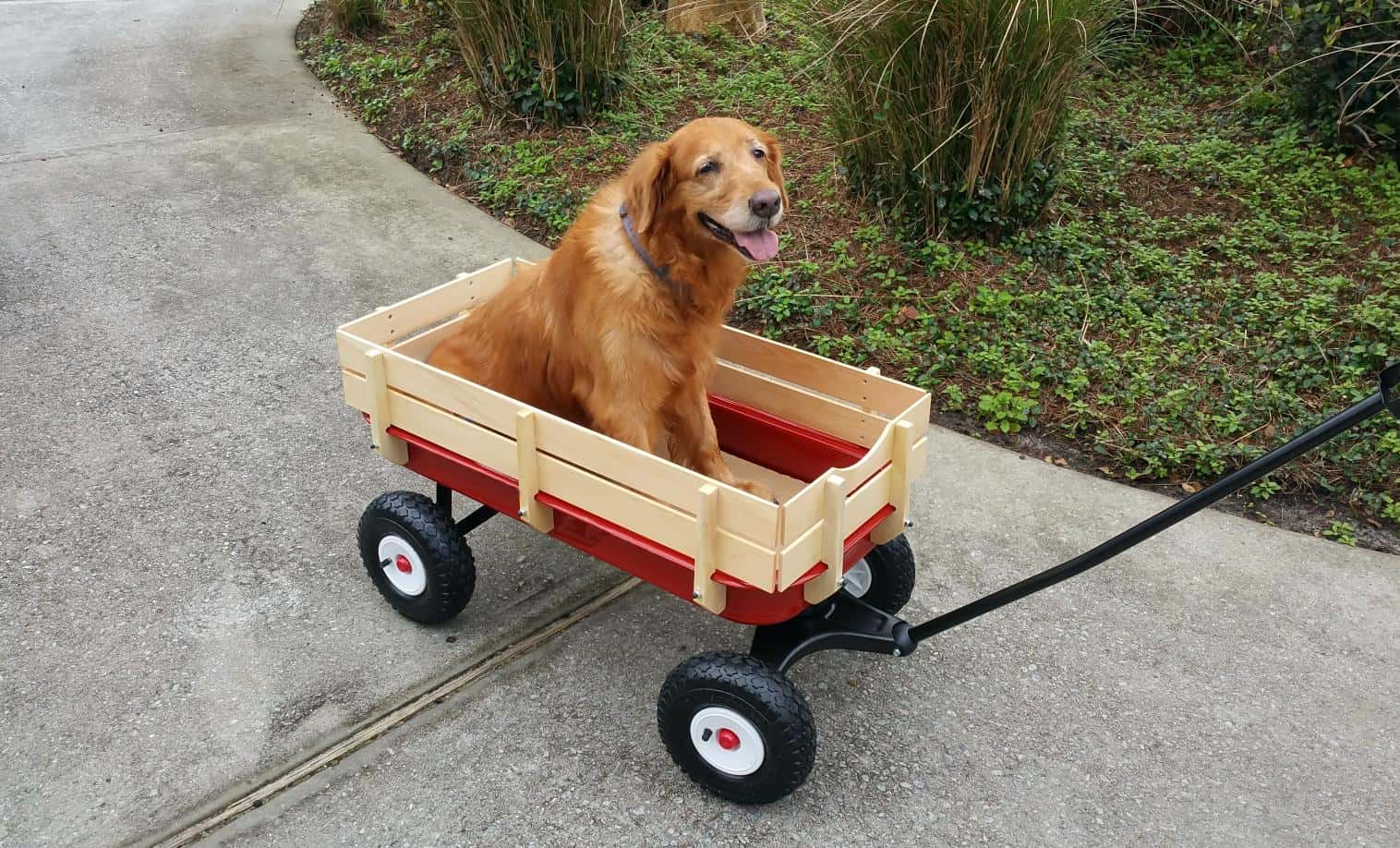
As winter melts away and spring joyfully dances in, you might notice something different about your pet. Perhaps your kitty isn’t joining in the spring dance with the glee you remember from her earlier years. Or maybe your doggo is struggling to get up off his bed for a springtime romp through the fresh new greenery outside.
For many pets, joint pain can flare up in the spring, particularly after a winter spent doing more resting than running around.
Here’s what the team at Crossroads Animal Hospital wants pet parents to know about pet arthritis in March.
Why Spring Can Make Joint Discomfort Worse
Cold weather can make your pet—and you—disinclined to romp around and play outside. This means by the time springtime arrives, your pet’s joints may be stiff and their muscles tight from the decrease in use. Motion is lotion, after all, and this adage applies to pets just as it does to humans.
Seasonal changes in barometric pressure and temperature can also play a role, particularly when it comes to inflaming or otherwise affecting sensitive joints. If your pet already struggles with arthritis, cold weather is likely to make it worse.
Dogs and Post-Winter Arthritis Flare-Ups
Dogs tend to show their pain a little more, ah, openly than our feline friends do. This makes a dog’s arthritis flare-up in March easier to spot.
You might notice your pup limping while out on a walk or taking his time standing up from his bed in the morning. Jumping up onto that favorite spot on the couch might be harder, too.
If your dog is struggling with movement—especially if she’s older or is of a breed susceptible to arthritis—ease back into movement gently. Your pup may need veterinary support to feel his best, including supplements, pain relievers, and targeted therapies.
How Arthritis Shows Up in Cats During Spring Flare-Ups
Cats tend to be a little bit quieter about their pain than dogs, which means it’s important to pay attention to the signs that something’s wrong.
You might notice that your kitty spends less time climbing up her favorite cat tree. Or, she might avoid scratching a beloved spot on the couch. Maybe she eats less, grooms less, or simply hesitates when she enters the litter box.
Many of these symptoms of spring arthritis in cats often get mistaken for aging—and while they could simply mean your kitty is slowing things down, they could also mean he’s in pain.
With a visit to your veterinarian, you can find out the answer and give your cat the right tools for comfort and health.
Managing Seasonal Arthritis in Pets
To help your kitty or pup stay limber and strong, seasonal arthritis and all, try these tips:
- Offer gentle exercise. Warm up slowly and keep it low-impact, but make sure you take a walk with your pup or play actively with your cat every day.
- Orthopedic bedding. Memory foam and orthopedic beds make a big difference in your pet’s quality of sleep. Offer them the best!
- Joint supplements. Ask your vet about options like glucosamine, chondroitin, and omega-3s, all of which can help support joint health and reduce pain.
- Massage, laser, acupuncture, and stretching. Yes, these therapies can help pets just as they help humans. Ask your veterinarian about how to ease your pet’s joints using at-home massage and stretching or professional veterinary acupuncture or laser treatment.
If your pet is struggling with joint pain, the experienced team at Crossroads Animal Hospital is here to help. Call us today at (540) 832-1751 to schedule an appointment aimed at improving your pet’s joint health this spring.