

Cloudy Eyes, Squinting, or Redness: When Your Pet’s Eyes Need a Vet Visit
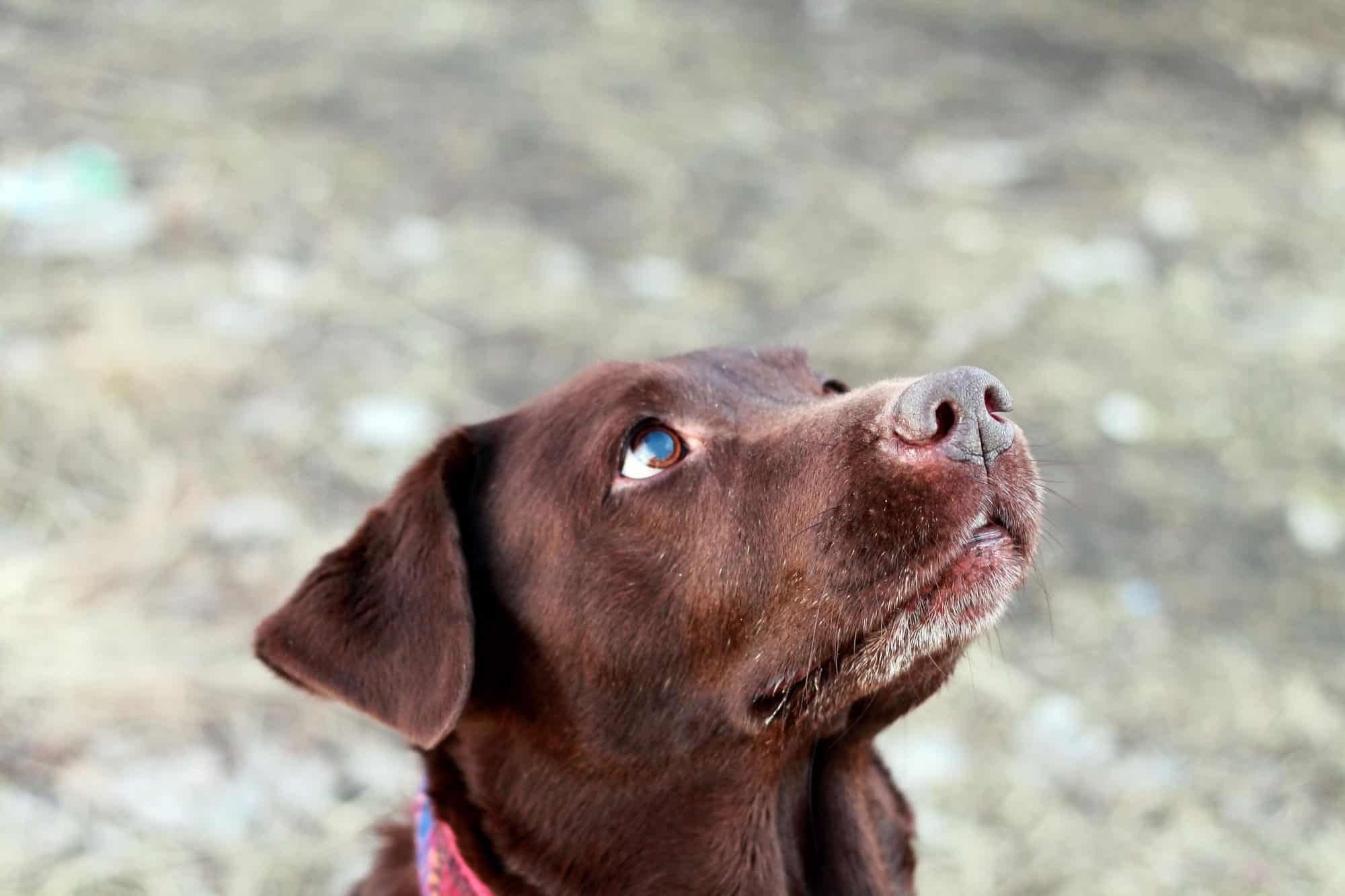
Your pet can’t tell you when an eye feels painful, itchy, or irritated, but changes in how their eyes look or in your pet’s behavior can offer important clues. Cloudiness, redness, discharge, or squinting may seem minor at first, but some eye conditions can worsen quickly without treatment. At Crossroads Animal Hospital in Zion Crossroads, Virginia, we encourage pet owners to pay attention to changes in their pets’ eyes, and seek veterinary care when something doesn’t look right.
What Are Common Signs of Eye Problems in Pets?
Eye problems can look different depending on what’s causing them. Sometimes the change is obvious, such as a noticeably red or cloudy eye. Other signs are easier to miss.
Keep an eye out for:
- Redness in or around the eye
- Squinting or keeping one eye partially or completely closed
- Cloudiness or a bluish appearance
- Excessive tearing or unusual discharge
- Swelling around the eye or eyelids
- Pawing or rubbing at the face
- Sensitivity to light
- A visible injury or foreign material in the eye
Changes in vision or behavior can also signal a problem. Your pet might bump into objects, hesitate on stairs, or seem reluctant to move through unfamiliar or dimly lit areas.
Why Is My Dog’s Eye Red or Cloudy?
There are many possible causes of dog eye problems, ranging from relatively simple irritation to conditions requiring prompt treatment. Redness, discharge, or discomfort may result from allergies, infection, dry eye, an eyelid abnormality, or something trapped in the eye.
Cloudiness can sometimes indicate problems with the deeper structures of the eye, including inflammation, glaucoma, or cataracts. Because very different conditions can look similar from the outside, a veterinary exam is the best way to determine what’s causing the change and whether treatment is needed.
What Does It Mean When a Cat Is Squinting One Eye?
If you notice your cat squinting one or both eyes, don’t assume they’re simply sleepy. Cats often hide signs of discomfort, and squinting can indicate painful or irritated eyes.
Rather than trying to determine the cause at home, pay attention to whether the squinting persists, or your cat becomes reluctant to have the face or eye area touched. Even when there isn’t dramatic redness, swelling, or discharge, persistent squinting deserves veterinary attention.
When Does an Eye Problem Need Veterinary Care?
Because eye conditions can progress rapidly, it’s generally better to have a new or unexplained change evaluated rather than waiting several days to see whether it disappears. Contact your veterinarian promptly if your pet is squinting, appears uncomfortable, develops significant redness or discharge, or has an eye that suddenly becomes cloudy.
A suspected eye injury, sudden vision loss, severe swelling, a bulging eye, or significant trauma warrants especially prompt attention.
If you’re concerned about a possible pet eye infection, an exam at our Zion Crossroads practice can help determine whether infection is actually responsible. One of our veterinarians can examine the eye and recommend appropriate testing and treatment based on the underlying problem rather than the symptom alone.
Help Protect Your Pet’s Eye Health
Our Fear Free® Certified team is committed to making veterinary visits as comfortable and low-stress as possible for pets. Call (540) 832-1751 to book an appointment and help your pet get the eye care they need.