

Thunderstorm Anxiety in Dogs: Natural and Medical Solutions at Crossroads Animal Hospital
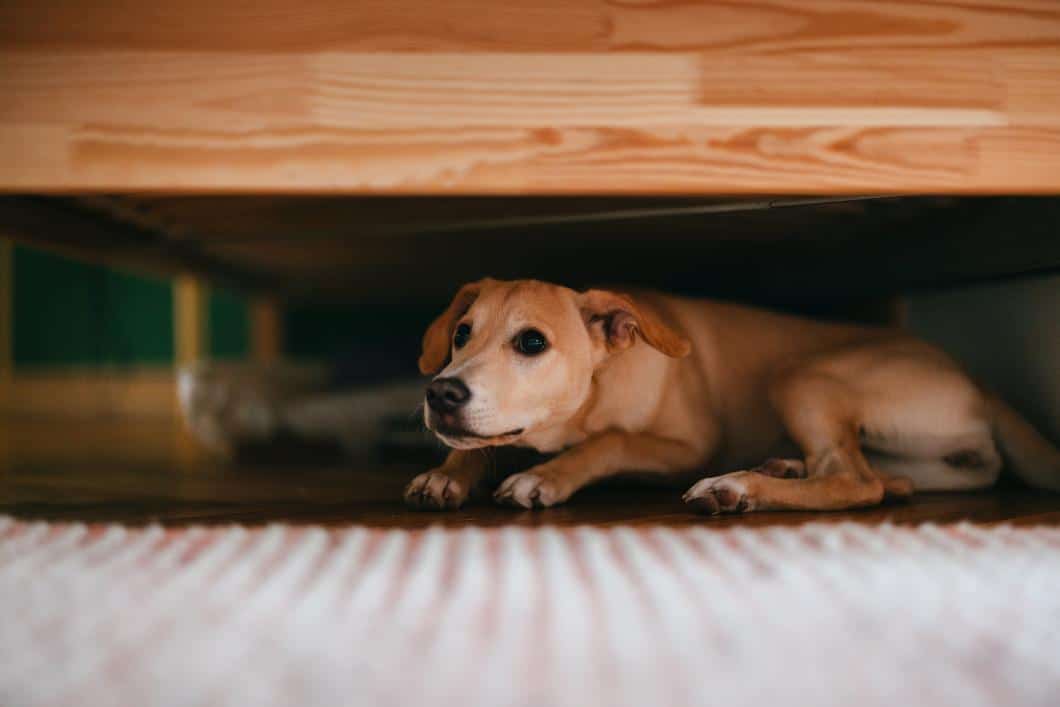
Few things are more unsettling for pet owners than watching their dog panic during a thunderstorm. While some dogs barely react to thunder and lightning, others may pace, tremble, hide, bark excessively, or try to escape.
If you’ve noticed signs of dog anxiety during storms, it’s important to know that these behaviors are a common response to fear and stress. At Crossroads Animal Hospital in Zion Crossroads, VA, we understand how stressful storm season can be for both pets and their families, and we’re here to help with practical, compassionate solutions that can improve your dog’s comfort and well-being.
Why Are Some Dogs Afraid of Thunderstorms?
Dogs experience the world differently than we do. Their sensitive hearing allows them to detect distant thunder long before we notice it, and some dogs may also react to changes in barometric pressure, strong winds, rain, or flashes of lightning.
Storm-related anxiety can range from mild uneasiness to severe panic. Common signs include:
- Trembling or shaking
- Pacing or restlessness
- Hiding under furniture or in closets
- Excessive barking or whining
- Clingy behavior
- Drooling or panting
- Destructive behavior
- Attempts to escape the home
Recognizing these signs early is important because anxiety often becomes more intense over time if left unaddressed.
How to Calm Anxious Dogs Naturally
Many dogs benefit from environmental and behavioral strategies that help them feel safer during storms. If you’re looking for ways to calm anxious dogs naturally, several options may be worth trying.
- Creating a quiet, comfortable, safe space
- Closing curtains or blinds to reduce flashes of lightning
- Playing calming music or white noise
- Using puzzle toys or treats for positive distraction
- Providing anxiety wraps or pressure garments
- Using veterinarian-recommended pheromone diffusers
As a Fear Free® Certified practice, our team understands the importance of reducing fear, stress, and anxiety in pets. Many of the same principles we use to help pets feel more comfortable during veterinary visits can also be applied at home. For example, offering treats, creating positive associations, and minimizing stressful triggers can help some dogs feel more secure during stormy weather.
While natural approaches can be effective for mild anxiety, they don’t work for every dog. If your pet’s fear is severe, additional support may be needed.
When Medical Treatment May Be the Best Option
For some dogs, thunderstorms trigger a level of panic that significantly affects their quality of life. In these cases, veterinary intervention can make a meaningful difference.
Depending on your dog’s needs, your veterinarian may recommend:
- Anti-anxiety medications for predictable storm events
- Long-term anxiety management medications
- Behavioral modification plans
- A combination of medical and environmental strategies
The goal isn’t simply to make your dog sleepy. Effective treatment focuses on reducing fear and helping your pet feel safer and more relaxed.
If you’ve been searching for pet anxiety treatment in Virginia, it’s important to work with a veterinarian who can evaluate your dog’s individual situation, and recommend the most appropriate options. Every dog responds differently, and a personalized plan often produces the best results.
Helping Your Dog Feel More Comfortable Year-Round
Thunderstorm anxiety is a real medical and behavioral concern, but it’s also highly manageable in many cases. Whether your dog experiences occasional nervousness or severe panic, early intervention can help prevent anxiety from worsening and improve your pet’s overall well-being.
At Crossroads Animal Hospital, we’re committed to providing compassionate care that supports both physical and emotional health. Our team can help identify the causes of your dog’s anxiety and develop a plan tailored to their needs.
If your dog struggles with anxiety during storms, call Crossroads Animal Hospital at (540) 832-1751 to schedule an appointment. We can discuss solutions to help your pet feel more comfortable and may recommend incorporating anxiety management into your next wellness visit. Together, we can help your dog feel calmer, safer, and more confident during storm season and beyond.